
Maintaining high ERP data quality requires a combination of automated validation rules and rigorous data governance to prevent common errors like duplicates or manual entry mistakes. Businesses can fix inaccurate dashboards by conducting regular data audits and implementing standardized cleansing processes that ensure information is consistently accurate and complete. These practices ensure that enterprise reports remain a reliable foundation for strategic decision-making.
Every executive knows the sinking feeling of presenting a high-stakes dashboard only to have a department head point out a glaring discrepancy in the numbers. When your ERP serves as the single source of truth, even minor inaccuracies in master data or transactional records can snowball into multi-million dollar forecasting errors. This lack of reliability transforms a strategic asset into a liability, forcing teams back into the manual labor of reconciling disconnected spreadsheets. To regain confidence in your analytics, you must address the underlying rot in your data architecture. This guide examines the common catalysts for dashboard failure, the risks of neglecting data health during implementation, and a tactical framework for establishing permanent governance. We also evaluate whether emerging AI tools can truly automate the cleansing process or if traditional rigor remains the only path to a clean ledger.
The Frustration of Inaccurate ERP Dashboards
Imagine walking into your office in Duchesne, opening your morning report, and seeing that your warehouse shows ten units in stock while your sales dashboard shows zero. This discrepancy is a daily reality for many leaders across the US who have invested heavily in modernizing operations but still struggle to trust their reporting. High end platforms like NetSuite, Sage, or Microsoft Dynamics are powerful engines, but they are entirely dependent on the quality of the fuel you provide.
ERP data quality is more than just a buzzword for clean data. It is the measurable accuracy, completeness, and reliability of every transaction flowing through your business. When records are missing, fields are incorrectly mapped, or updates are delayed, you face the classic garbage in, garbage out dilemma. Even the most sophisticated implementation and optimization strategy cannot salvage a return on investment if the underlying information is fundamentally flawed. If your leadership team cannot look at a dashboard and feel absolute confidence in the figures, the software functions as an expensive filing cabinet rather than a strategic asset. Reliable data is the difference between guessing your next move and knowing it.
Why Your ERP Dashboard Shows Wrong Numbers

When a dashboard displays conflicting figures, the natural impulse is to suspect a software bug. However, in our experience helping businesses through implementation and optimization, the software is rarely the culprit. Modern ERP platforms are rigorous logical engines that do exactly what they are told. The issue is almost always the input. If a warehouse worker marks a shipment as received before the truck arrives, or if a sales rep enters a deal in the wrong currency, the system processes that data with perfect, albeit incorrect, precision. The software isn't broken; it is simply reflecting the reality of poor data inputs.
Several specific factors contribute to these discrepancies:
Human Entry Errors: Manual typos are the most common source of friction. A misplaced decimal point on a purchase order or an incorrectly selected unit of measure can skew inventory valuations by thousands of dollars. When teams operate under pressure, they often skip non-mandatory fields or use shorthand that reporting tools cannot parse.
Integration Lag and Silos: Data often becomes trapped in disconnected systems. If a standalone Shopify store or a CRM instance is not synchronized in real time with the core ERP, your leadership sees a delayed version of reality. These silos create invisible gaps where sales occur but inventory levels remain unchanged in the eyes of the finance department.
Duplicate Records: Duplicates act as a silent tax on productivity. When one department creates a file for "Acme Corp" and another for "Acme Corporation," the ERP treats them as distinct entities. This splits the customer history, obscures total lifetime value, and leads to redundant shipping or billing efforts.
These errors are often symptoms of disconnected workflows. As a company grows, processes that functioned via verbal communication in a small office begin to fail. Without a centralized flow of information, these invisible errors multiply, creating a ceiling on your ability to scale effectively. To resolve these issues, you can contact our team to evaluate how your current workflows may be contributing to data degradation.
The Real World Consequences of Bad Data
The implications of poor ERP data quality extend far beyond a messy spreadsheet; they manifest as tangible financial losses and operational bottlenecks. When inventory records are inaccurate, a business often finds itself in a precarious position. Over-ordering stock based on inflated demand figures ties up critical working capital in dusty warehouse aisles, while under-ordering leads to stockouts and alienated customers.
In the sales department, stale CRM data results in missed opportunities. If a representative follows up on a lead that has already been converted or ignored due to a synchronization error, the professional image of the firm suffers. Furthermore, financial reporting errors create significant risks. Inaccurate data flowing into tax documents or compliance reports can trigger audits or heavy penalties, turning a routine filing into a high-stakes crisis.
For a Utah based business striving for modernizing operations, unreliable information functions as a ceiling on growth. Scalability requires speed, and speed requires trust. When leadership cannot rely on their dashboards to make quick, definitive calls on hiring, expansion, or procurement, the organization stalls. If you find your team spending more time debating the validity of a report than acting on its findings, it is time to contact our team to restore integrity to your systems.
Data Quality Issues During ERP Implementation
The vulnerability of a business is never higher than during a system migration. While the goal of a new platform is usually modernizing operations, many organizations find that data quality issues in implementing an erp act as a magnifying glass for every flaw previously hidden in legacy software. Moving to a sophisticated platform does not automatically sanitize your records; instead, it often breaks processes that formerly relied on human tribal knowledge to navigate messy data.
To ensure a successful transition, a data readiness checklist is essential before the first record is migrated:
Cleanse Legacy Data: Remove inactive customers, obsolete SKUs, and duplicate vendor files before they ever touch the new environment.
Precise Field Mapping: Verify that data from your legacy accounting or CRM software aligns perfectly with the architecture of the new ERP, ensuring that dates, currencies, and units of measure translate accurately without losing historical context.
Establish Validation Rules: Configure the new system to reject incomplete or improperly formatted entries from day one, preventing new errors from accumulating as the team adapts to the new interface.
A common mistake is the temptation to move messy data with the intent to fix it after go-live. In practice, this rarely happens. Once the new system is active, teams are often too consumed with learning new workflows to perform retrospective data scrubbing. More importantly, if users see incorrect inventory levels or broken customer records during their first week, they lose trust in the software. This skepticism drives employees back to using private spreadsheets, undermining the entire implementation and optimization effort. To avoid these pitfalls, you can contact our team to review your data readiness plan.
A Tactical Plan for ERP Data Cleansing
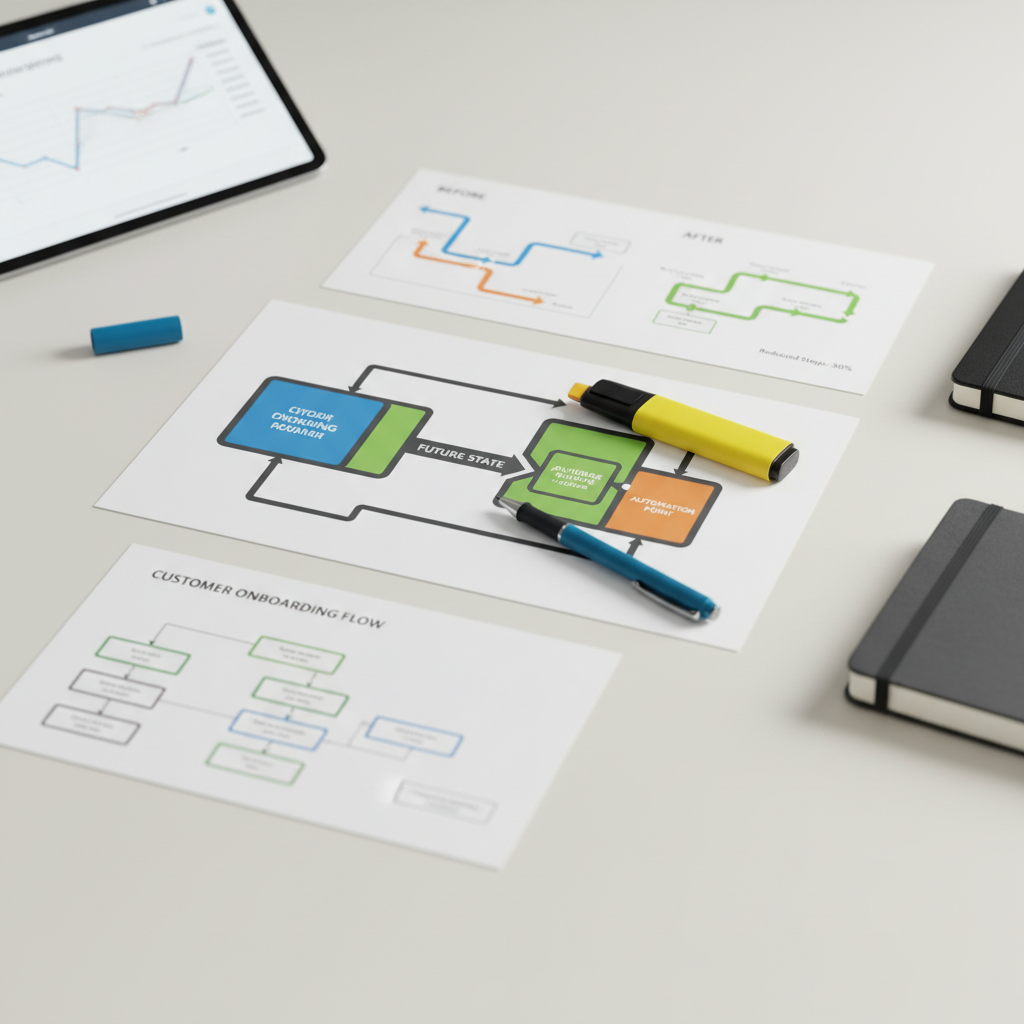
Fixing compromised records requires a methodical approach rather than a frantic manual search. The first stage is data profiling, which involves analyzing your existing database to identify missing values, inconsistent date formats, and logical anomalies. By running diagnostic queries, you can pinpoint exactly where the holes are, such as customer records without tax IDs or inventory items missing unit costs. Once the landscape is clear, you must move to deduplication. This process merges fragmented records into a single source of truth, ensuring that procurement history and payment terms are unified under one master file.
After basic cleaning, the next step is appending missing information from external sources or internal archives to complete the business picture. However, a one time data scrub is only a temporary fix if the underlying workflows remain unchanged. At ERP & Software Consulting, we focus on modernizing operations by implementing automated validation rules directly within your platform. These rules act as digital gatekeepers, preventing a user from saving a record if it lacks essential data or contains formatting errors.
Establishing these guardrails transforms ERP data quality from a recurring chore into a background process. By automating checks for duplicate addresses or incorrect tax calculations, you ensure that once the information is cleaned, it stays clean. This shift from manual intervention to a sustainable system of automated checks is critical for long term implementation and optimization success. If your team is overwhelmed by the volume of messy records, you can contact our team to design a custom cleansing and automation roadmap.
Maintaining ERP Data Quality Through Governance

Maintaining long term ERP data quality requires shifting from reactive cleaning to proactive governance. In a practical sense, governance is not a manual of rigid corporate rules; it is a set of simple habits that protect your investment in modernizing operations. The most effective strategy is to designate data owners for specific departments. For example, the Sales Manager should be responsible for CRM contact integrity, while the Warehouse Lead ensures SKU descriptions and units of measure remain consistent. When ownership is clearly defined, discrepancies are caught at the source rather than months later in a board meeting.
Sustainable accuracy relies on three core activities: - Monthly Data Audits: Run exception reports to identify missing fields, negative inventory, or duplicate vendors before they impact financial closing. - Recurring Staff Training: Use recurring errors as a roadmap for training sessions, ensuring new hires and veterans alike understand the impact of their inputs. - Standardized Entry Protocols: Document exactly how records should be created to prevent shorthand or inconsistent formatting.
Treating data integrity as a shared culture rather than a technical chore ensures your implementation and optimization efforts continue to yield reliable insights. If you need help structuring these internal workflows, you can contact our team to build a governance plan tailored to your business.
Can ChatGPT and AI Fix Your Data Quality Problems?
Generative AI and Large Language Models have sparked a common question: can a tool like ChatGPT simply fix your broken database? While these tools excel at identifying patterns, reformatting messy text, or spotting obvious outliers, they are not a universal solution for ERP integrity. Feeding proprietary financial records or sensitive customer lists into public AI tools presents significant security risks that can compromise your business and violate privacy standards.
True implementation and optimization relies on strategic logic that AI cannot currently replicate. A chatbot might suggest a standard format for an address, but it lacks the contextual understanding of your specific business rules, such as complex multi tier pricing or specialized inventory allocation logic. Relying solely on AI to sanitize data often leads to hallucinations where the software makes logical leaps that do not align with your actual operations. For organizations focused on modernizing operations, technology should assist, but professional oversight ensures that the underlying logic remains sound. If you are looking to integrate advanced tools into your data strategy safely, you can contact our team to discuss a secure, logic based approach.